
Pelvic Floor Therapy
Restore Strength, Confidence, and Comfort
-
Specialized care focused on evaluating and rehabilitating the muscles that support the bladder, bowel, and reproductive organs.
-
We take a holistic approach to pelvic floor therapy, addressing how stress, lifestyle, and recovery each influence rehabilitation. Focusing on the whole person - not just the symptoms - supports lasting relief, improved function, and overall well-being.
-
We work with individuals of all genders and life stages, from pregnancy and postpartum recovery to menopause, post-surgical healing, and chronic pelvic health concerns. Whether you're experiencing pain, leakage, or simply want to feel stronger and more confident with movement, our care is tailored to meet you where you are.
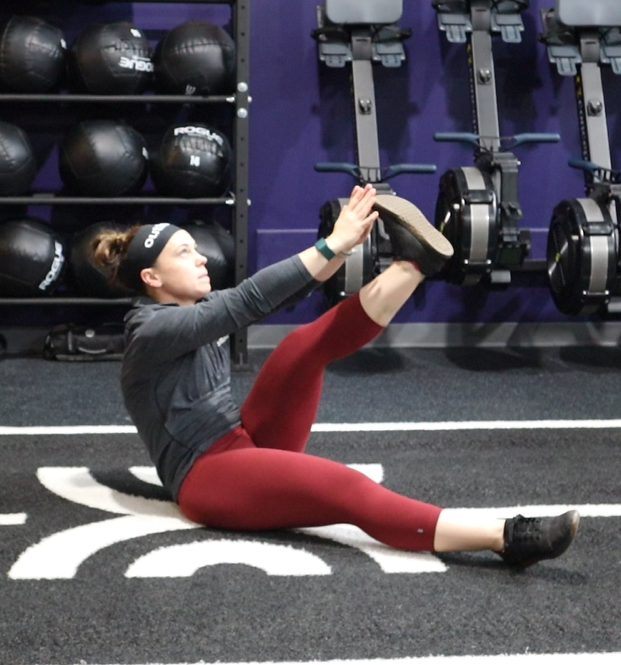
What is the Pelvic Floor?
Dysfunction might be more common than you think, 1 in 4 females and 1 in 10 males experience pelvic floor issues.
The pelvic floor is a group of muscles, ligaments, and connective tissues that support many daily activities. These muscles play an important role in controlling bladder and bowel function, supporting pregnancy and childbirth, and contributing to sexual health. Just like other muscles, the pelvic floor can become weak, tight, uncoordinated, or irritable - leading to symptoms that affect comfort and interfere with daily function.
Just like other muscles in the body, the pelvic floor can be strengthened, desensitized, and rehabilitated through targeted therapy and exercise.
What can it help?

Bladder Leaks or Urgency
Leaking during activities such as coughing, sneezing, walking, jumping, or weightlifting. Experiencing a sudden, intense urge to urinate or needing to use the bathroom more frequently than usual.

Menopausal Changes
Hormonal changes during perimenopause and post menopause can decrease tissue elasticity, cause vaginal dryness, pelvic pressure, discomfort with intimacy, and increased bladder symptoms.
Pelvic Pain or Prolapse
This can feel like aching, burning, heaviness, or pressure in the lower abdomen, pelvis, or tailbone. Pain may occur with movement, prolonged sitting, or with sexual activity.
Pregnancy and Postpartum
Conception, pregnancy, and birth (vaginal or c-sections) can all increase the demand placed on the pelvic floor. Muscles can and should be strengthened to ease symptoms and speed up recovery.
Core Pressure Management
Improper coordination of the core muscles—including the back, abdominals, and pelvic floor—can increase symptoms during challenging movements. This can also contribute to pain in the back, hips, or pelvis.

Later Adulthood
We work with individuals in the Medicare population, typically age 65 and older, who may be experiencing changes in strength, balance, bladder or bowel control, and overall pelvic health.
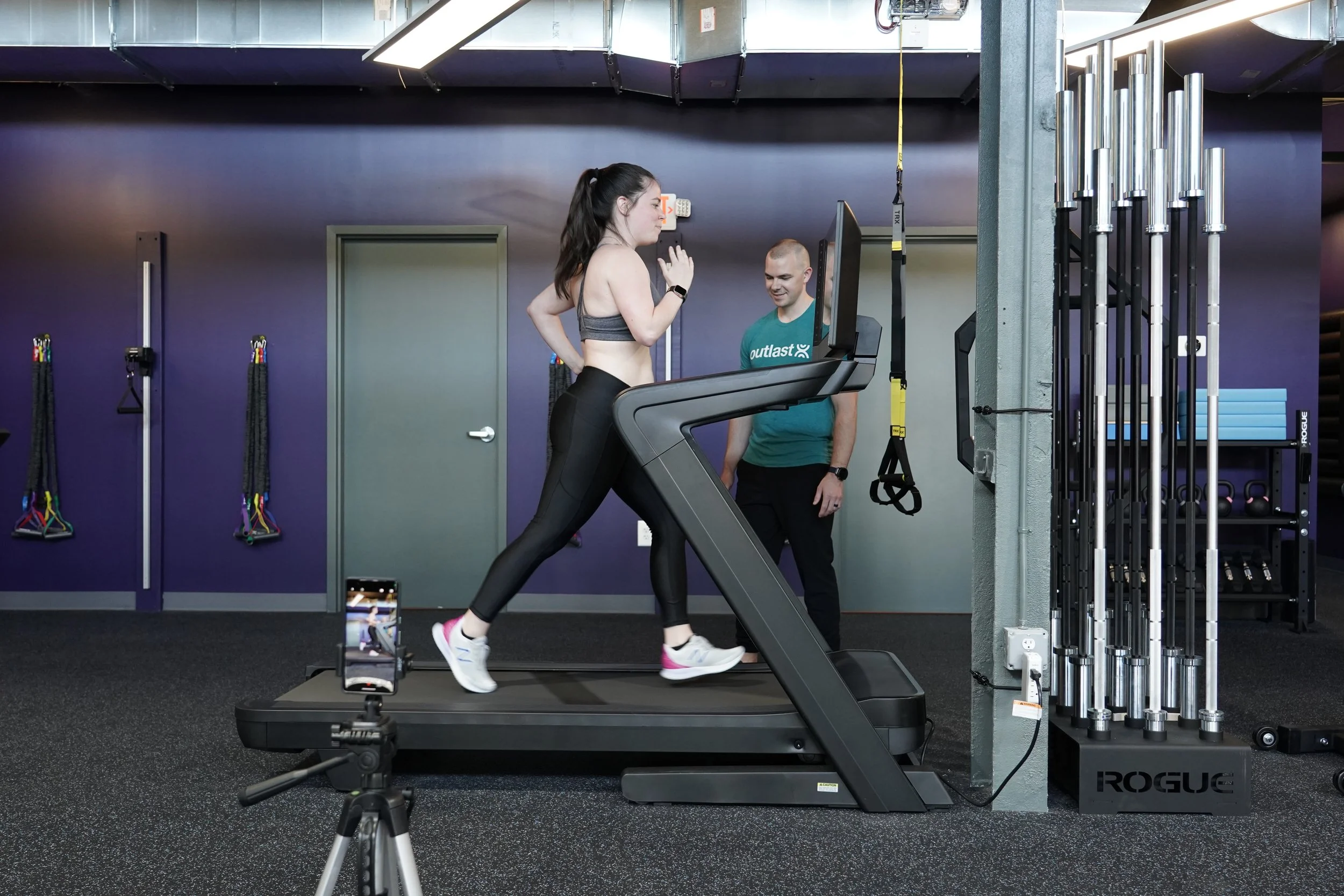
What to Expect
01
A one - on - one evaluation with a licensed physical therapist, including movement and functional assessments.
02
Detailed discussion of your symptoms, medical history, and personal goals.
03
A personalized treatment plan that may include hands-on therapy, guided exercises, education, and strategies to support lasting relief and improved function.
Internal Assessment & TreatmentIn some cases, internal assessment or treatment may be recommended to better understand muscle function and support your recovery. This will always be explained beforehand and performed only with your full consent. Your comfort is a priority, and external treatment options are available.
Learn More About Pelvic Floor Therapy with Outlast Health and Performance
-
Expert Care — One-on-one sessions with your pelvic floor therapist.
We Value Your Time — We will see you at your appointment time.
Custom Plan — Your treatment plan will be customized for you.
Transparency — You will not receive an unexpected bill from us.
Long-Term Success — We will continue to monitor your progress and modify as needed.
Availability — Communicate directly with your physical therapist.
-
We are credentialed with Medicare. What this means is that we can bill Medicare and your secondary insurance for physical therapy services if you have Medicare as your primary health insurance.
Where to find Outlast
Hampden
1600 W 41st Street, Suite 300
Baltimore, MD 21211
Next to the Union Collective